
Lexapro and Alcohol Interactions
Why This Combination Matters
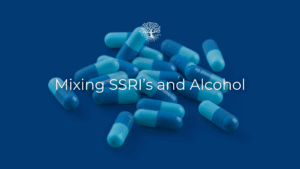
Lexapro is one of the most commonly prescribed antidepressants in the United States. Because it’s not a sedative and doesn’t create a “high,” many people assume drinking alcohol while taking Lexapro is harmless. In reality, mixing Lexapro and alcohol can worsen depression, increase side effects, and interfere with how the medication works.
At Sanctuary Treatment Center, we often see people whose mental health treatment becomes less effective because substances like alcohol or cannabis are quietly undermining their medication.
Understanding the interaction matters, especially if you’re trying to stabilize mood or prevent relapse.
What Is Lexapro?
Lexapro is the brand name for escitalopram, a selective serotonin reuptake inhibitor (SSRI). It works by increasing serotonin levels in the brain, helping regulate mood, anxiety, and emotional balance.
Lexapro is commonly prescribed for
• Major depressive disorder
• Generalized anxiety disorder
• Panic disorder
• Social anxiety disorder
Unlike stimulant or sedative medications, SSRIs work gradually over weeks to rebalance brain chemistry.
What Happens When You Mix Lexapro and Alcohol
Alcohol is a central nervous system depressant. Lexapro is not a depressant, but it alters serotonin signaling. When combined, several problems can occur.
1. Increased Depression and Anxiety
Alcohol lowers inhibitions at first but ultimately worsens mood. It disrupts serotonin and dopamine balance, which can directly counteract Lexapro’s purpose.
People may feel
• Increased sadness the next day
• Heightened anxiety
• Emotional instability
• Irritability
Over time, alcohol can make antidepressants feel like they “aren’t working.”
2. Enhanced Side Effects
Mixing Lexapro and alcohol can intensify side effects such as
• Drowsiness
• Dizziness
• Impaired coordination
• Slowed reaction time
This increases the risk of accidents and unsafe decision-making.
3. Reduced Medication Effectiveness
Alcohol interferes with consistent serotonin regulation. If someone drinks regularly, they may never experience the full therapeutic benefit of Lexapro.
4. Increased Risk of Risky Behavior
Alcohol lowers inhibition. Combined with mood instability, this can increase impulsive behaviors, including self-harm risk in vulnerable individuals.
The FDA advises caution when combining SSRIs and alcohol due to these compounded effects.
Is It Ever Safe to Drink on Lexapro?
Some prescribing physicians may say that occasional light drinking is unlikely to cause severe harm. However, safety depends on:
• Your dosage
• Your diagnosis
• Your mental health history
• Whether alcohol has been a coping tool
• Co-occurring substance use concerns
For individuals in early recovery or with a history of alcohol misuse, drinking while on Lexapro significantly increases relapse risk.
Lexapro and Weed: What About Cannabis?
Many people assume marijuana is safer than alcohol while taking antidepressants. The interaction is less studied than alcohol, but risks still exist.
How Lexapro and Weed Interact
Cannabis affects the endocannabinoid system, which interacts indirectly with serotonin signaling. Combining Lexapro and weed can lead to:
• Increased anxiety or paranoia
• Emotional blunting
• Dizziness
• Impaired judgment
• Worsening depressive symptoms
Some people report that marijuana temporarily reduces anxiety. Others experience heightened panic or mood swings — especially with higher-potency THC products.
Cannabis and Motivation
Lexapro is intended to help stabilize mood and improve daily functioning. Regular marijuana use can reduce motivation and emotional responsiveness, sometimes masking whether the medication is truly helping.
In some cases, cannabis use contributes to what feels like antidepressant “failure.”
Risks of Mixing Lexapro With High-Potency THC
Modern cannabis products often contain significantly higher THC levels than in previous decades. High-potency products can increase:
• Panic attacks
• Depersonalization
• Mood instability
• Cognitive fog
For individuals being treated for anxiety or depression, these effects can destabilize progress.
Can Lexapro and Alcohol or Weed Increase Suicide Risk?
Alcohol use is strongly associated with increased suicide risk, particularly in individuals with depression. Cannabis has also been linked to worsening depressive symptoms in some populations.
Combining substances with antidepressants can create emotional volatility, especially during dosage changes.
If someone experiences worsening mood, hopelessness, or suicidal thoughts while mixing substances and Lexapro, medical evaluation is critical.
When Mixing Becomes a Pattern
Sometimes alcohol or weed use starts casually but becomes a way to “smooth out” medication side effects. Warning signs include:
• Drinking to manage anxiety
• Using marijuana to sleep instead of addressing insomnia medically
• Feeling emotionally flat without substances
• Increasing use over time
When substances become part of managing mental health, the line between treatment and self-medication can blur.
How Sanctuary Approaches Co-Occurring Mental Health and Substance Use
Sanctuary Treatment Center specializes in treating substance use disorders alongside underlying depression and anxiety.
Our approach includes:
• Psychiatric medication evaluation
• Substance use stabilization
• Therapy focused on coping skills
• Relapse prevention planning
• Education about medication-substance interactions
Mental health medications work best when the brain is not being regularly disrupted by alcohol or cannabis.
Can you drink occasionally on Lexapro?
Some providers allow light drinking, but alcohol can worsen depression and reduce medication effectiveness. It’s safest to discuss directly with your prescriber.
Does weed cancel out Lexapro?
It doesn’t “cancel” it, but cannabis can interfere with mood stability and may increase anxiety or depressive symptoms.
Is Lexapro dangerous with alcohol?
It can increase drowsiness, emotional instability, and impaired judgment. For people with depression, the combination increases risk.
Should I stop Lexapro if I want to drink?
Never stop Lexapro abruptly. Sudden discontinuation can cause withdrawal symptoms. Always consult a physician before making medication changes.
Sources
- National Library of Medicine. (2024). Escitalopram: MedlinePlus drug information. https://medlineplus.gov/druginfo/meds/a603005.html
- U.S. Food and Drug Administration. (2023). Lexapro (escitalopram) prescribing information (label). https://www.accessdata.fda.gov/drugsatfda_docs/label/2023/021323s055%2C021365s039lbl.pdf
- National Library of Medicine. (n.d.). DailyMed: LEXAPRO (escitalopram oxalate) tablet labeling. https://dailymed.nlm.nih.gov/dailymed/lookup.cfm?setid=23ff2d62-b5ff-4837-8b54-439a65609d90
- Mayo Clinic. (n.d.). Escitalopram (oral route): Description. https://www.mayoclinic.org/drugs-supplements/escitalopram-oral-route/description/drg-20063707
- Mayo Clinic. (n.d.). Antidepressants and alcohol: What’s the concern? https://www.mayoclinic.org/diseases-conditions/depression/expert-answers/antidepressants-and-alcohol/faq-20058231
- National Institute on Alcohol Abuse and Alcoholism. (n.d.). Alcohol’s effects on health. https://www.niaaa.nih.gov/alcohols-effects-health
- National Institute on Alcohol Abuse and Alcoholism. (2025, May 8). Alcohol-medication interactions: Potentially dangerous mixes. https://www.niaaa.nih.gov/health-professionals-communities/core-resource-on-alcohol/alcohol-medication-interactions-potentially-dangerous-mixes
- National Institute on Alcohol Abuse and Alcoholism. (n.d.). Harmful interactions: Mixing alcohol with medicines. https://www.niaaa.nih.gov/publications/brochures-and-fact-sheets/harmful-interactions-mixing-alcohol-with-medicines
- Centers for Disease Control and Prevention. (2024, February 15). About cannabis. https://www.cdc.gov/cannabis/about/index.html
- Centers for Disease Control and Prevention. (n.d.). Cannabis and mental health. https://www.cdc.gov/cannabis/health-effects/mental-health.html