
Tag: kratom

7-oh blog

The Rising Risks of 7-OH: What You Need to Know

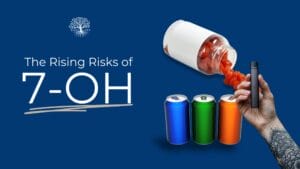
In recent years, 7-Hydroxymitragynine (commonly called 7-OH) has emerged as one of the most concerning substances in the gray-market supplement space. A derivative of kratom, 7-OH is far more potent than its plant-based counterpart, with an opioid-like profile that makes it both addictive and dangerous. While kratom itself has been the subject of controversy, 7-OH takes the risks further—appearing in vape pens, gummies, and even “energy shots” disguised as wellness products.

At Sanctuary Treatment Center, we believe education is the first step toward prevention and recovery. This guide breaks down the forms of 7-OH available today, why they’re so risky, and what treatment options are available for those struggling.

What Is 7-OH?

7-Hydroxymitragynine is one of the minor alkaloids found in the kratom plant (Mitragyna speciosa). Unlike the more common alkaloid mitragynine, which is present in raw kratom leaves, 7-OH is concentrated during extraction or chemical modification processes. It binds strongly to opioid receptors, mimicking the effects of prescription opioids like oxycodone or morphine—without the regulation, safety testing, or medical oversight.

How 7-OH Is Marketed Today

To understand the public health risks, it’s important to recognize how 7-OH is being sold. Below is a table outlining the most common product formats:

FormHow It’s MarketedRisks
7-OH VapesDisposable pens or cartridges, often flavored and packaged like nicotine vapes.Easy to conceal; rapid onset increases risk of overdose and dependency.
7-OH Gummies / ChewablesCandy-like edibles in fruity flavors.Appeals to teens; high doses in small portions make misuse easy.
Sublingual 7-OH Tablets“Wellness” tablets that dissolve under the tongue for fast absorption.Potency is unpredictable; users may stack doses without realizing.
7-OH Shots / DrinksBottled energy-style drinks or concentrated shots sold in convenience stores.Marketed like caffeine but carries opioid-like risk; masks seriousness.
7-OH Powders / CapsulesSold online as “enhanced kratom” or “7-OH extract.”Inconsistent labeling; doses vary widely between batches.

Why 7-OH Is So Dangerous

  • Potency – Studies show 7-OH is up to 13 times more potent than morphine in receptor binding.
  • Lack of Regulation – No FDA oversight, meaning mislabeled or contaminated products are common.
  • Addiction Potential – Users often develop opioid-like dependence, withdrawal symptoms, and cravings.
  • Public Perception – Marketing 7-OH as “natural” or “plant-based” misleads people into believing it is safe.

7-OH State Bans and FDA Warnings

States like Florida are moving to ban 7-OH products, citing increased poison control calls and ER visits. The FDA has issued warnings about misleading marketing practices and has confiscated shipments of enhanced kratom extracts containing 7-OH. Yet, online retailers and gas stations continue to stock them, often targeting young adults seeking alternatives to prescription opioids.

Safer Alternatives for Anxiety & Pain Relief

Many individuals turn to 7-OH because they’re seeking relief from anxiety, depression, or chronic pain. Safer alternatives exist, including:

Getting Help for 7-OH Misuse

At Sanctuary Treatment Center, we treat substance use disorders with evidence-based care and compassion. If you or a loved one is struggling with 7-OH or other synthetic drugs, our team provides:

Conclusion

7-OH may be marketed as a “legal high” or “natural alternative,” but its risks mirror those of highly addictive opioids. Education, prevention, and professional treatment are key to addressing this growing public health concern. Sanctuary Treatment Center is here to provide the guidance and care needed to move beyond dangerous substances toward a healthier, sustainable recovery.

Frequently Asked Questions

1. What forms does 7-OH come in?
7‑OH appears in a variety of unregulated, highly potent formats, including vape pens, gummies or chewables, sublingual tablets, drink shots or mixes, and powders or capsules.

2. Why is 7-OH more dangerous than traditional kratom?
Although kratom leaves contain mitragynine and only trace amounts of 7‑OH, concentrated forms of 7‑OH bind much more strongly to opioid receptors—up to several times more potent than morphine—drastically increasing overdose and addiction risk.

3. Are any 7-OH products FDA-approved or safe?
No. The FDA has explicitly warned that products containing enhanced or synthetic 7‑OH—such as gummies, tablets, or drinks—are unapproved, unsafe, and should be avoided.

4. What are the main health risks associated with using 7-OH?
Reported risks include rapid dependence, opioid-like withdrawal symptoms, seizures, respiratory depression, gastrointestinal distress, anxiety, depression, and potential for lethal overdose—especially when consumed via vaping or other rapid-delivery formats.

5. Is 7-OH regulated by law?
At the federal level, the FDA has recommended scheduling 7‑OH as a Schedule I substance. Florida has already banned it statewide and classified it accordingly.

6. What should I do if someone has an adverse reaction to 7-OH?
Call the Poison Help Line at 1-800-222-1222 or dial 911 if they are unresponsive. It’s also important to report adverse events to the FDA via their MedWatch system.

Sources

We Take Insurance!

Sanctuary Treatment Center accepts most private PPO insurance plans, as well as some private HMO plans. Through private insurance plans, individuals and families can access high quality addiction treatment services. If you have questions regarding insurances, please give us a call.

Licensed (or certified, or both) by the State Department of Health Care Services

License: #190042AP Expiration: 02/28/2026

Additional License: #190042BP Expiration: 04/30/2025 #190042CP Expiration: 07/31/2025

Sanctuary Treatment Center in Los Angeles is a Joint Commission accredited rehab center

Copyright © 2022 Sanctuary Treatment Center.